Benefits and features: Reduces redness: Soothes irritated skin and helps diminish visible redness over time
Thus, the immature neurons found in MCD subtypes may continue to function in the same manner, with developed astrocytes instead supplying them with the lactate they need to synchronously depolarize instead of RG
NF-B Pathway Inhibition (Primary Mechanism) KPVs most well-characterized mechanism is inhibition of NF-B (nuclear factor kappa-light-chain-enhancer of activated B cells), the master regulator of inflammation: Cellular Entry via PepT1: KPV enters inflamed cells through PepT1 transporter (oligopeptide transporter 1) Nuclear Translocation Block: Prevents NF-B translocation from cytoplasm to nucleus Transcription Inhibition: Blocks NF-B-mediated transcription of pro-inflammatory genes Cytokine Reduction: Decreases IL-1, IL-6, TNF-, IL-8 production 2

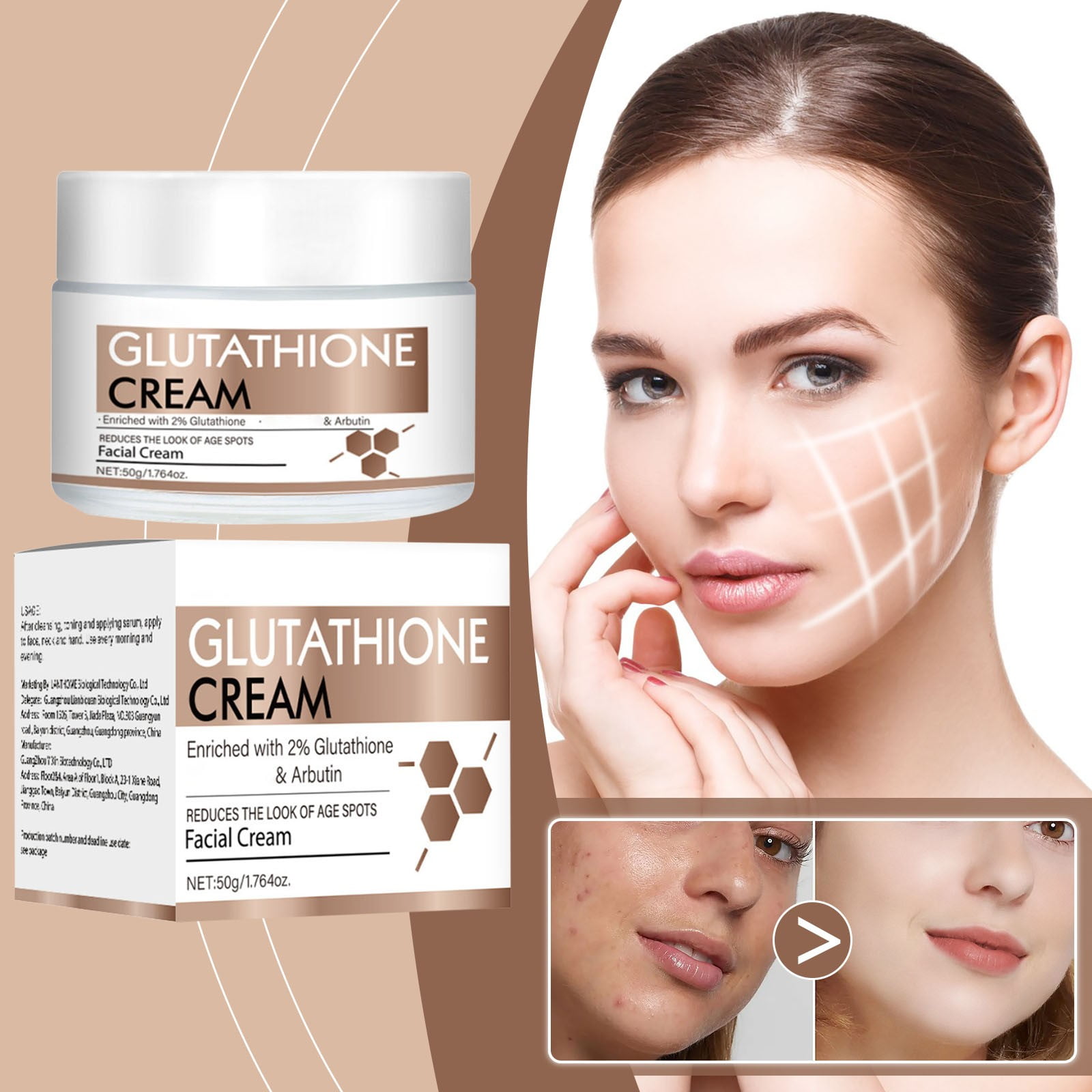
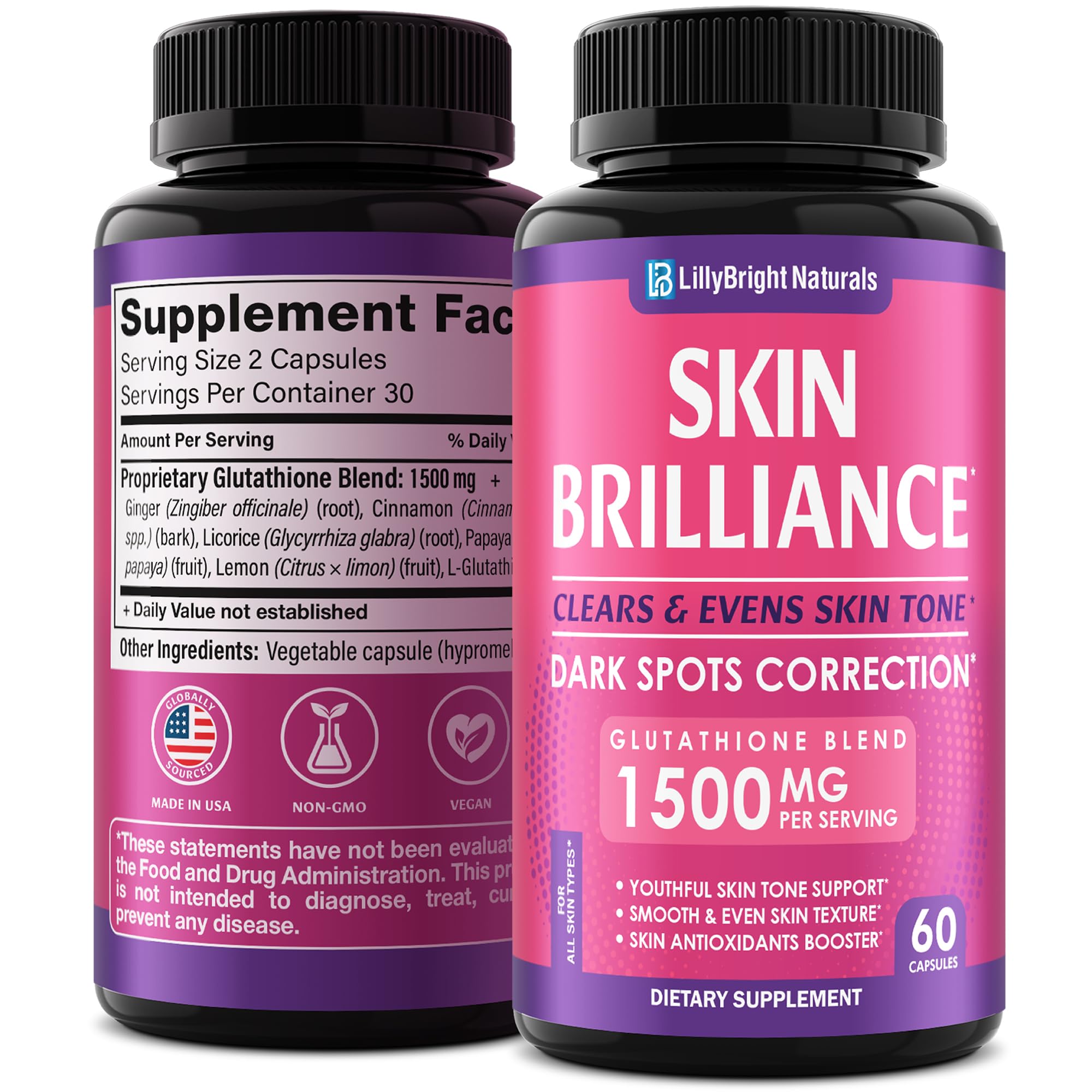
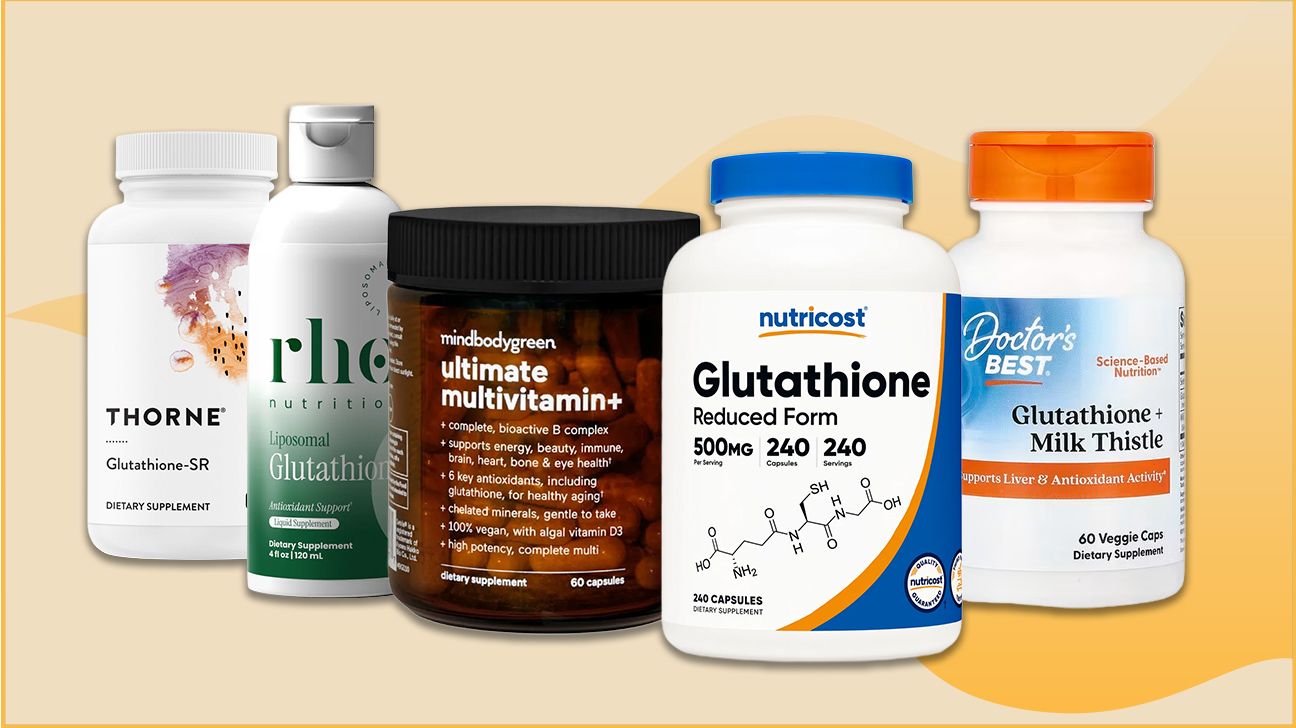
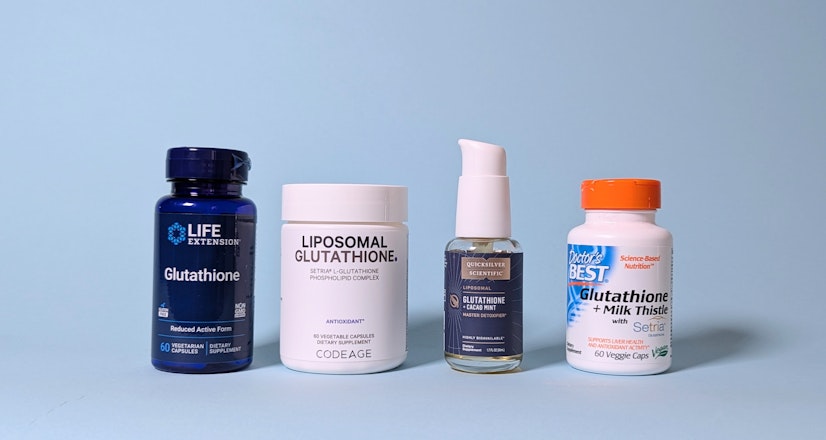
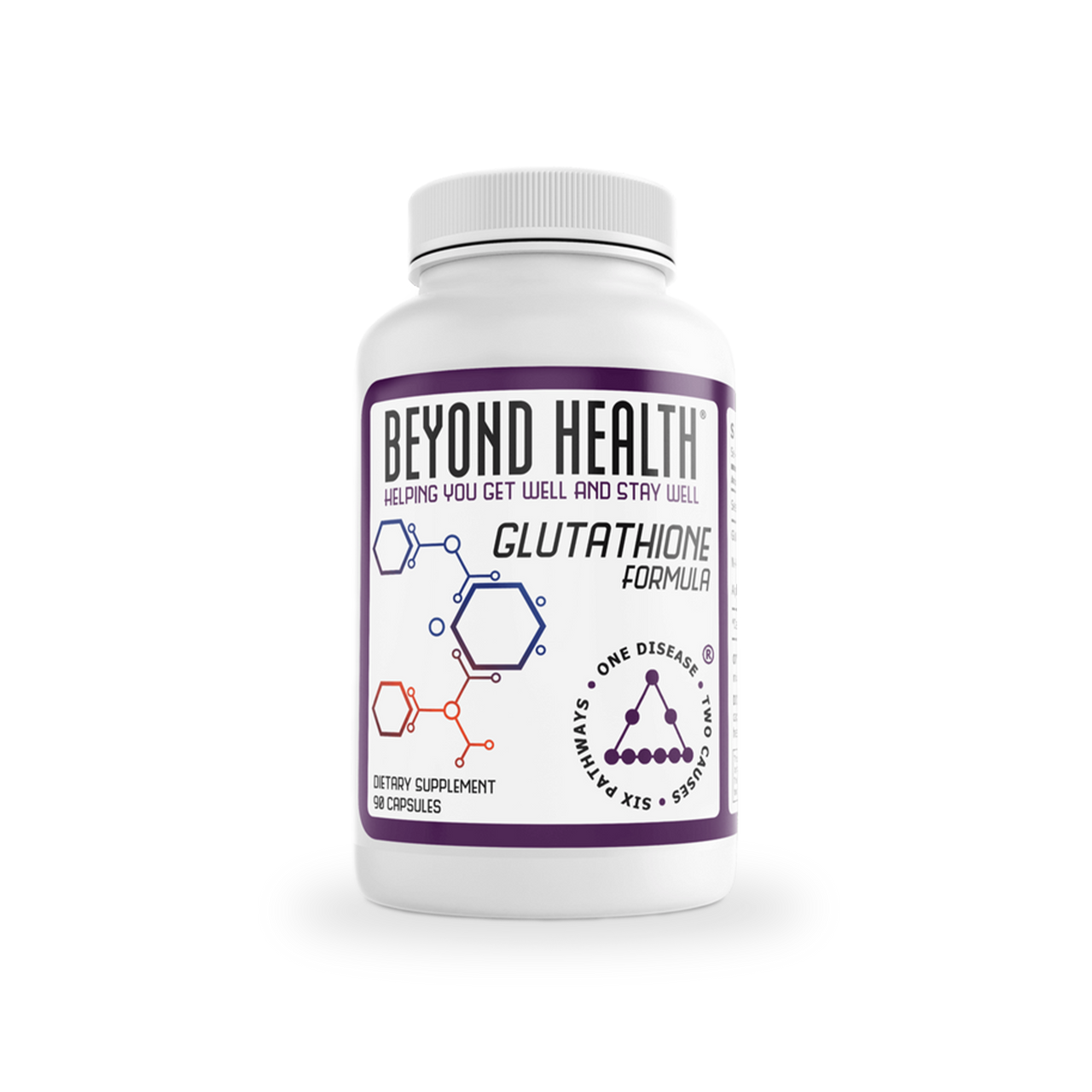
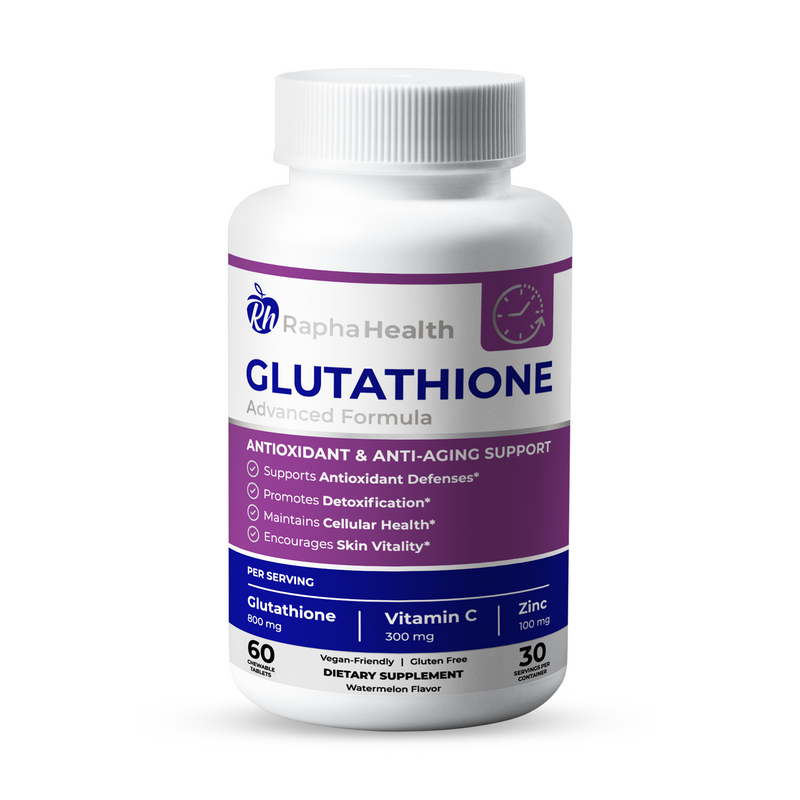
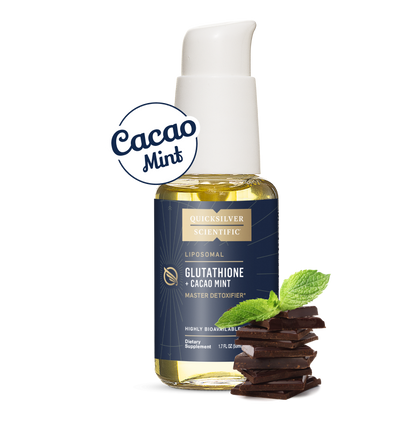
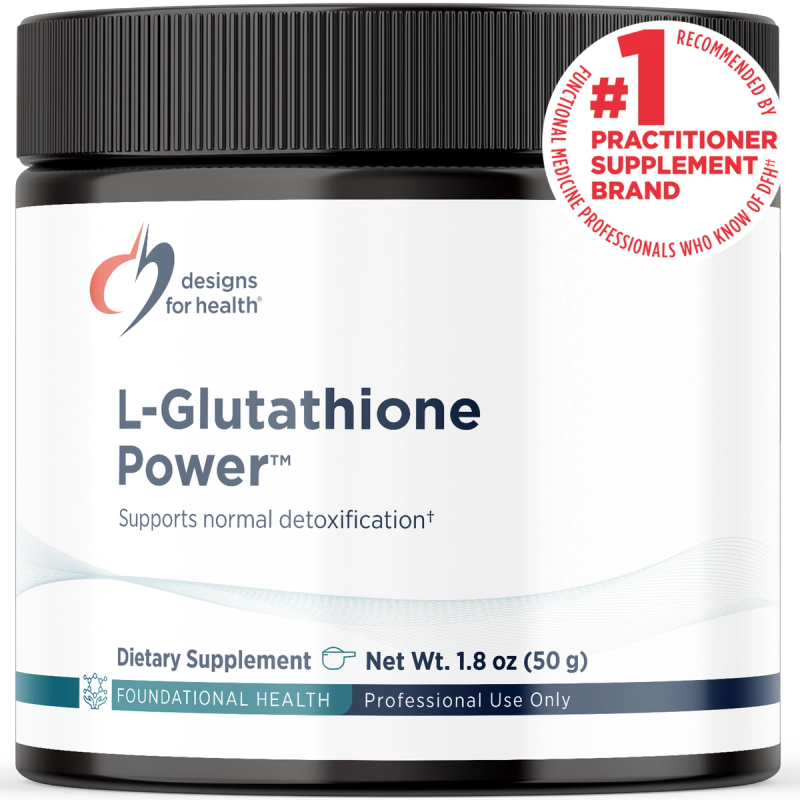
Glutathione is a tripeptide made from three amino acids: Glutamate (glutamic acid) Cysteine (the rate-limiting building block) Glycine Together, these form a molecule your cells use in many essential processes, including: Neutralizing reactive oxygen species (free radicals) Supporting metabolic detoxification through enzyme systems (e.g., glutathione S-transferases) Regenerating other antioxidants like vitamin C and E Protecting mitochondria and other cellular structures from oxidative damage Supporting normal immune and liver function Your body produces glutathione continuously but it needs the right raw materials and metabolic support to keep up
Available from: Huang Y
These peptides are also known for their anti-inflammatory effects, which can reduce resistance in blood vessels, thereby contributing to lowering blood pressure