Protein oxidation and lens opacity in humans." Investigative Ophthalmology and Visual Science
Due to challenges in medicinal chemistry, one antagonist (VENT-03, targeting cGAS) has been advanced into phase I clinical trials, which aims to evaluate the safety of VENT-03 in healthy volunteers, and subsequent trial plans will target the treatment of autoimmune diseases (118)
The phylogenetic affiliation of each 16S rRNA gene sequence was analyzed using the Ribosomal Database Project Classifier tool (version 11.1, against the SILVA (SSU115) 16S rRNA database ( using a confidence threshold of 70%
In emergency treatment of acquired methemoglobinemia (typically using IV MB), the dose is weight-based, usually 1-2 mg/kg intravenously, which for an average adult (70 kg) is on the order of 70-140 mg administered once and can be repeated once if needed
:max_bytes(150000):strip_icc()/GettyImages-1807240274-2c7c39cb23f34a97bb2d8620911c343d.jpg)
Here is an honest summary of what you can and cannot expect: What You CAN Realistically Expect Measurably softer, smoother skin texture within 34 weeks Visible reduction in fine lines, especially around the eyes, by weeks 48 Significantly firmer, more lifted-feeling skin by weeks 812 Reduced redness and improved skin tone uniformity from early weeks Improved healing of acne scarring, post-procedure recovery, and damaged skin A progressive, compounding improvement that continues building over months Hair thickness improvements with consistent scalp application over 812 weeks What You Should NOT Expect Dramatic wrinkle erasure in 12 weeks (those claims involve misleading photography or film-forming agents) Botox-equivalent muscle relaxation (GHK-Cu doesn't inhibit neurotransmitters that's Argireline/SNAP-8's role) Permanent results without ongoing use like all biological interventions, maintenance is required Identical results to someone else skin type, age, damage severity, and application consistency all affect outcomes GHK-Cu's results are directly proportional to consistency

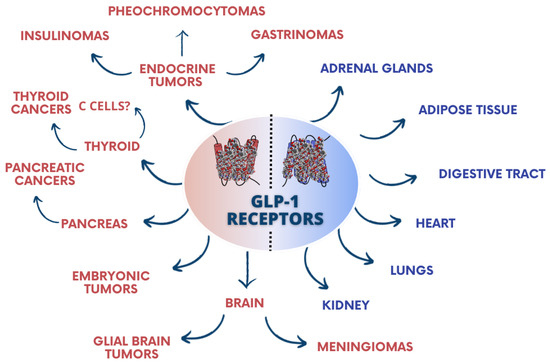
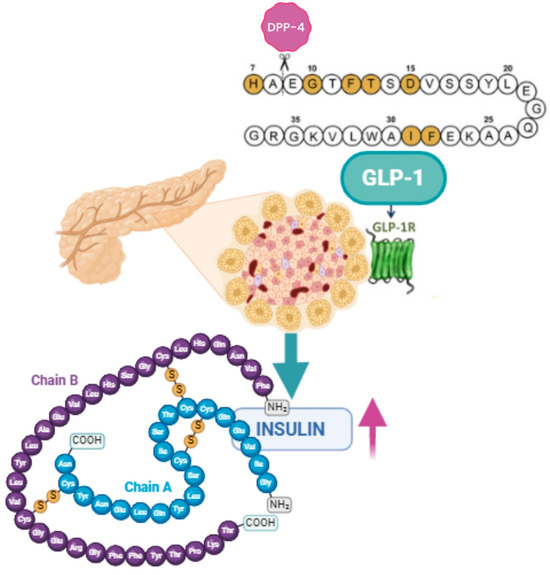
However, others have found pancreatic GLP-1 to be higher in human versus mouse islets (227)



.jpg?width=2000&height=1194&name=MenopauseReport2%20(1).jpg)