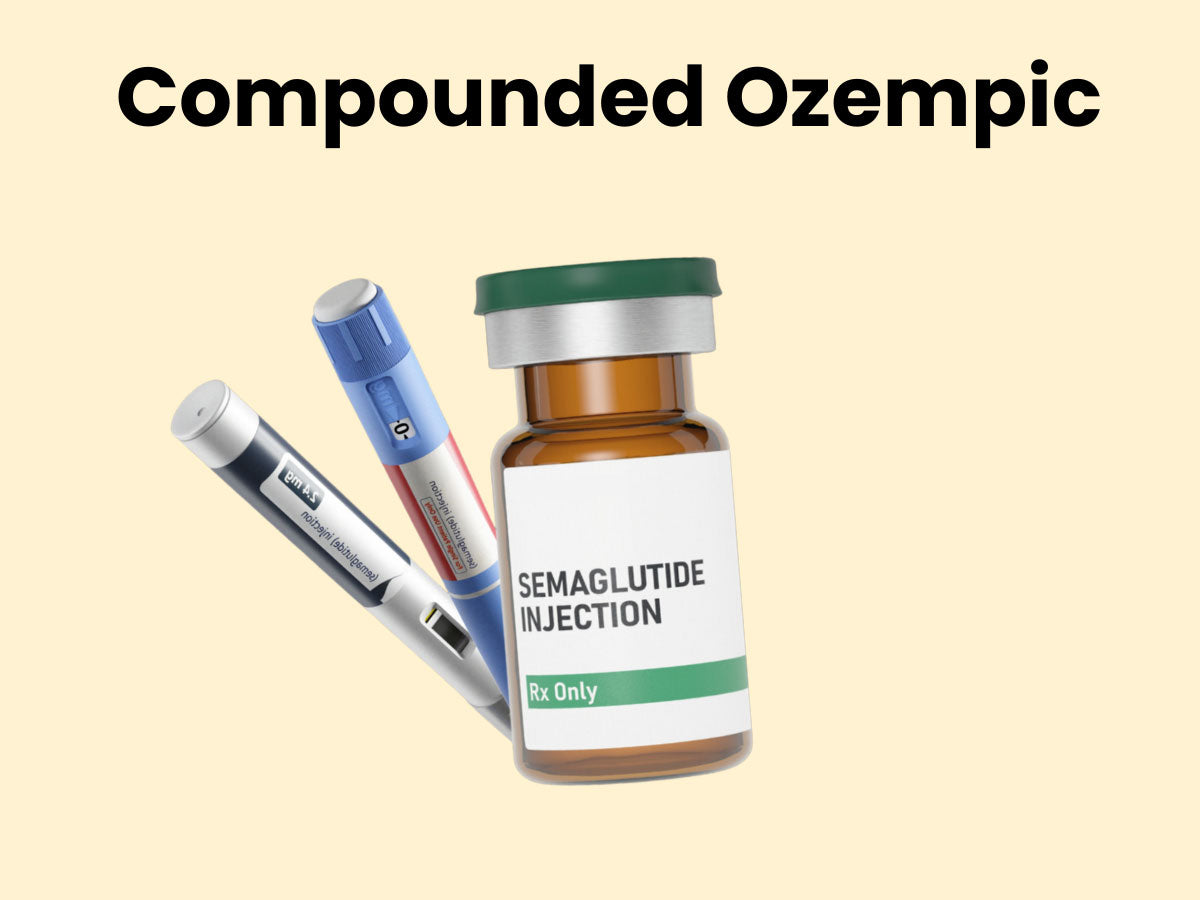
For those primarily using semaglutide for weight loss, some studies have noted constipation in approximately 24% of participants
Staying on schedule with medication, eating enough protein, and supporting your body nutritionally helps prevent burnout or unnecessary muscle loss as weight drops

Seek same-day medical advice if you experience: Sudden, severe pain in a joint, particularly the big toe, ankle, or knee, often developing overnight Visible swelling, redness, and warmth over the affected joint Extreme tenderness making it difficult to bear weight or tolerate even light touch (such as bedsheets) Fever or feeling generally unwell accompanying joint symptoms, which may indicate infection (septic arthritis) requiring urgent assessment (contact NHS 111, an urgent treatment centre, or A&E) Contact your GP promptly if: You have a known history of gout and experience symptoms suggestive of a flare-up Joint symptoms are moderate but persistent and affecting daily activities You have recurrent episodes of joint pain since starting Ozempic You are uncertain whether symptoms represent gout or another condition Arrange a routine appointment to discuss: Preventive strategies if you have a history of gout before starting Ozempic Uric acid monitoring if you are at higher risk (family history, previous gout, kidney disease) Medication adjustments if you experience frequent flare-ups despite preventive measures It is important to note that acute gout attacks should not necessarily lead to discontinuation of Ozempic
Patients are encouraged to read this information and keep it for reference
Q Longer masking time (37C, more than 1 hour) is a problem
Unlike other growth hormone secretagogues, it appears to selectively promote growth hormone release without markedly affecting prolactin, TSH, ACTH, LH, or cortisol